Theo Albrecht · 14 October 2026
Examining Modular Port Configurations and Their Effects on Secure Data Handling in Field-Based Scientific Expeditions
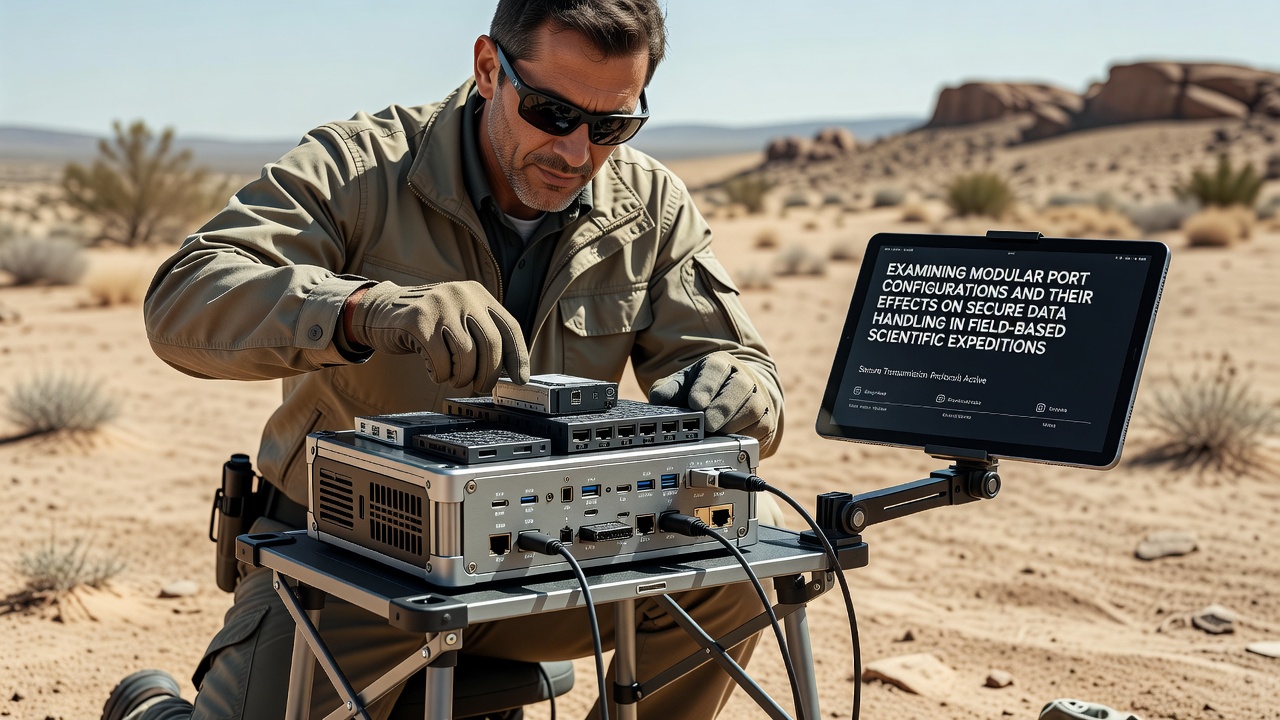
Modular port configurations refer to adaptable connectivity systems such as USB-C hubs, Thunderbolt docks, and multi-protocol expansion units that researchers deploy in remote settings to interface sensors, storage drives, and communication devices with core computing equipment. These setups allow field teams to scale input and output options without carrying multiple dedicated machines, yet the specific arrangement of ports influences how data moves from collection points to encrypted archives. Observers note that configurations incorporating isolated data channels reduce cross-contamination risks when instruments record environmental readings, geological samples, or biological specimens across extended deployments.
Core Components of Modular Systems in Expedition Contexts
Field teams select port modules based on bandwidth requirements, power delivery capabilities, and protocol support for secure authentication. Thunderbolt 4 modules, for instance, provide up to 40 Gbps bidirectional throughput while supporting daisy-chained encrypted drives, whereas standard USB 3.2 modules offer broader compatibility at lower speeds that still meet many sensor logging needs. Researchers at remote sites often combine both types within a single dock chassis, creating hybrid arrangements that prioritize high-security transfers for sensitive datasets while routing routine telemetry through less restricted pathways. Data shows that such mixed configurations maintain integrity during multi-day treks where power sources fluctuate and physical handling increases exposure to tampering attempts.
Security Implications of Port Arrangement Choices
Port layout directly affects encryption handshakes and access control enforcement. When a configuration routes all incoming streams through a single controller chip, firmware vulnerabilities can propagate across connected devices, whereas segmented designs isolate each port cluster behind dedicated encryption processors. Studies from international research bodies indicate that expeditions using isolated port clusters experienced fewer unauthorized access events during equipment handoffs between team members. The arrangement also determines whether hardware-level write blockers can be inserted inline without disrupting workflow, a feature that preserves original data copies when field analysts review preliminary results on rugged laptops.
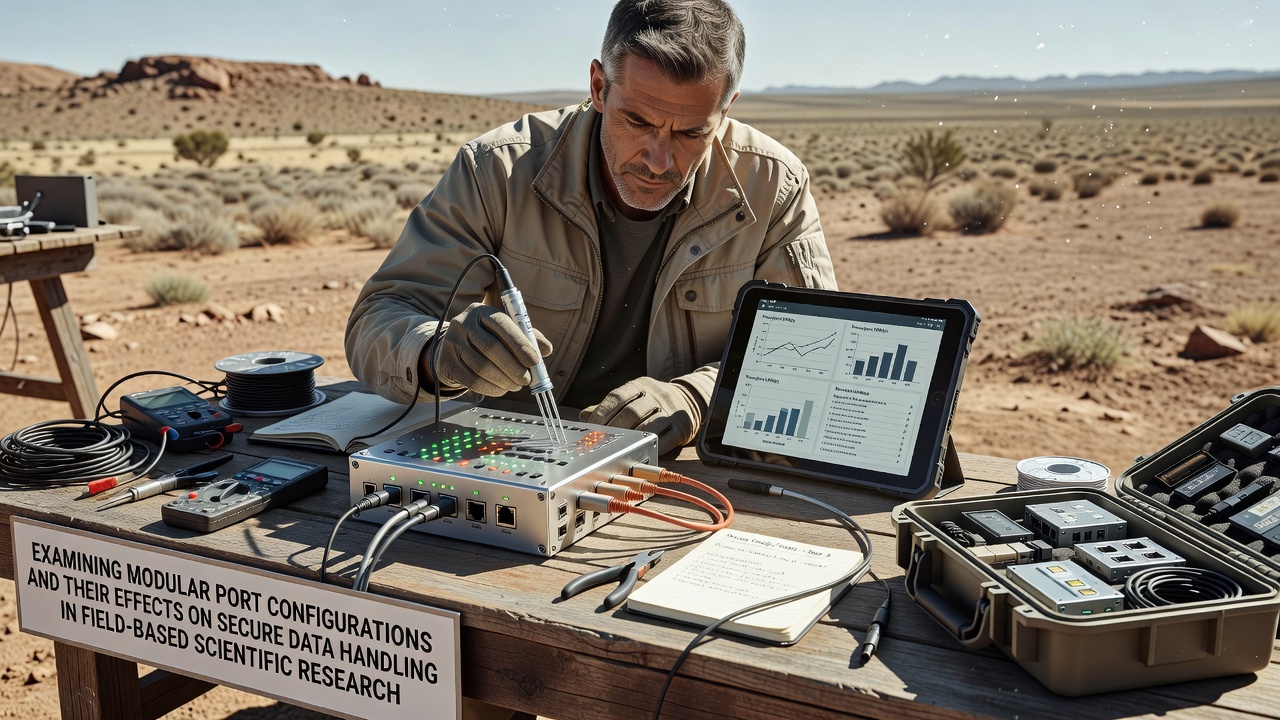
October 2026 brought updated interoperability guidelines from standards organizations that emphasize port-level authentication protocols, prompting several polar research programs to retrofit existing dock units. Those updates require each modular port to verify device certificates before permitting bulk transfers, a change that aligns wth broader efforts to standardize secure handling across distributed field stations.
Real-World Deployment Patterns Observed in Recent Expeditions
Teams operating in high-altitude environments frequently adopt compact four-port Thunderbolt modules paired with two USB-C data-only ports, enabling simultaneous connection of LiDAR units, weather stations, and redundant SSD arrays while maintaining physical separation between raw collection media and processed archives. One documented case involved glaciology researchers who configured their system so that incoming sensor streams passed through an authenticated port before reaching an onboard encryption appliance, reducing the window during which unencrypted files remained accessible. Data from these operations reveals that such arrangements cut transfer times by nearly half compared with sequential single-port methods, while preserving chain-of-custody logs required for later peer review.
Coastal marine biology groups have reported similar benefits when deploying modular hubs inside waterproof cases. Ports configured with automatic power gating prevent peripheral devices from drawing excessive current during low-battery periods, thereby avoiding abrupt disconnections that could corrupt ongoing data streams. According to findings shared through the Commonwealth Scientific and Industrial Research Organisation, these power-aware configurations contributed to higher successful upload rates during satellite window opportunities in remote archipelagos.
Comparative Analysis Across Different Geographic Regions
Expeditions in Arctic versus tropical zones encounter distinct environmental stresses that interact with port hardware. Arctic teams prioritize cold-rated connectors and heated enclosures that maintain signal integrity, while tropical deployments focus on moisture-resistant seals and corrosion-resistant pin plating. Both contexts demonstrate that modular systems with swappable port cartridges allow rapid adaptation without replacing entire dock assemblies, thereby preserving investment in encryption firmware. Figures from the National Science Foundation field operations database indicate that programs employing cartridge-style designs recorded fewer equipment failures attributable to port degradation over multi-month campaigns.
Conclusion
Modular port configurations shape the security posture of data workflows in field-based scientific expeditions through their influence on encryption isolation, authentication enforcement, and physical access controls. Evidence gathered from diverse operational environments demonstrates that deliberate arrangement choices can limit exposure windows, support redundant logging, and accommodate evolving interoperability standards without sacrificing mobility. As field programs continue to integrate higher-resolution sensors and real-time analytics, the technical details of these port setups remain central to maintaining data integrity across remote and challenging conditions.